How to Use Custom Drapery in Your Home
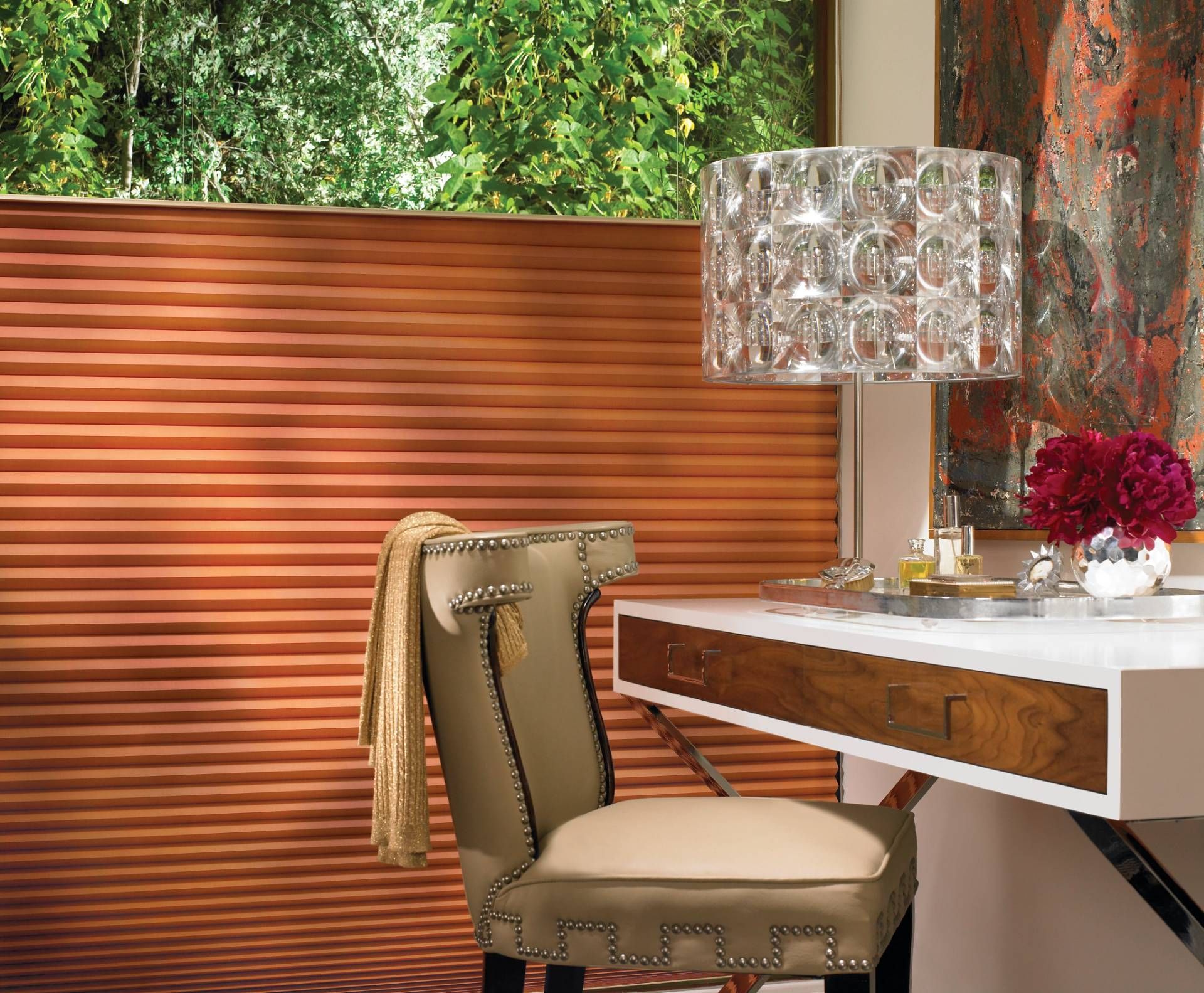
Pairing the motors with insulating cellular fabric strengthens the effect. According to the Department of Energy, insulated cellular shades have one of the highest ratings of any window covering and can reduce heat loss through windows by about 40%. That pairing of automation and insulation is where the savings come from.
Custom drapery covers a large piece of wall, so it changes a room faster than almost anything else you can add. Little Blind Spot has helped homeowners choose fabric, pleat styles, and hardware since 1978, and our in-house designers measure and install custom window treatments and drapery options for homes. Here is how we walk people through the decision.

Start with Drapery Fabric That Suits the Room
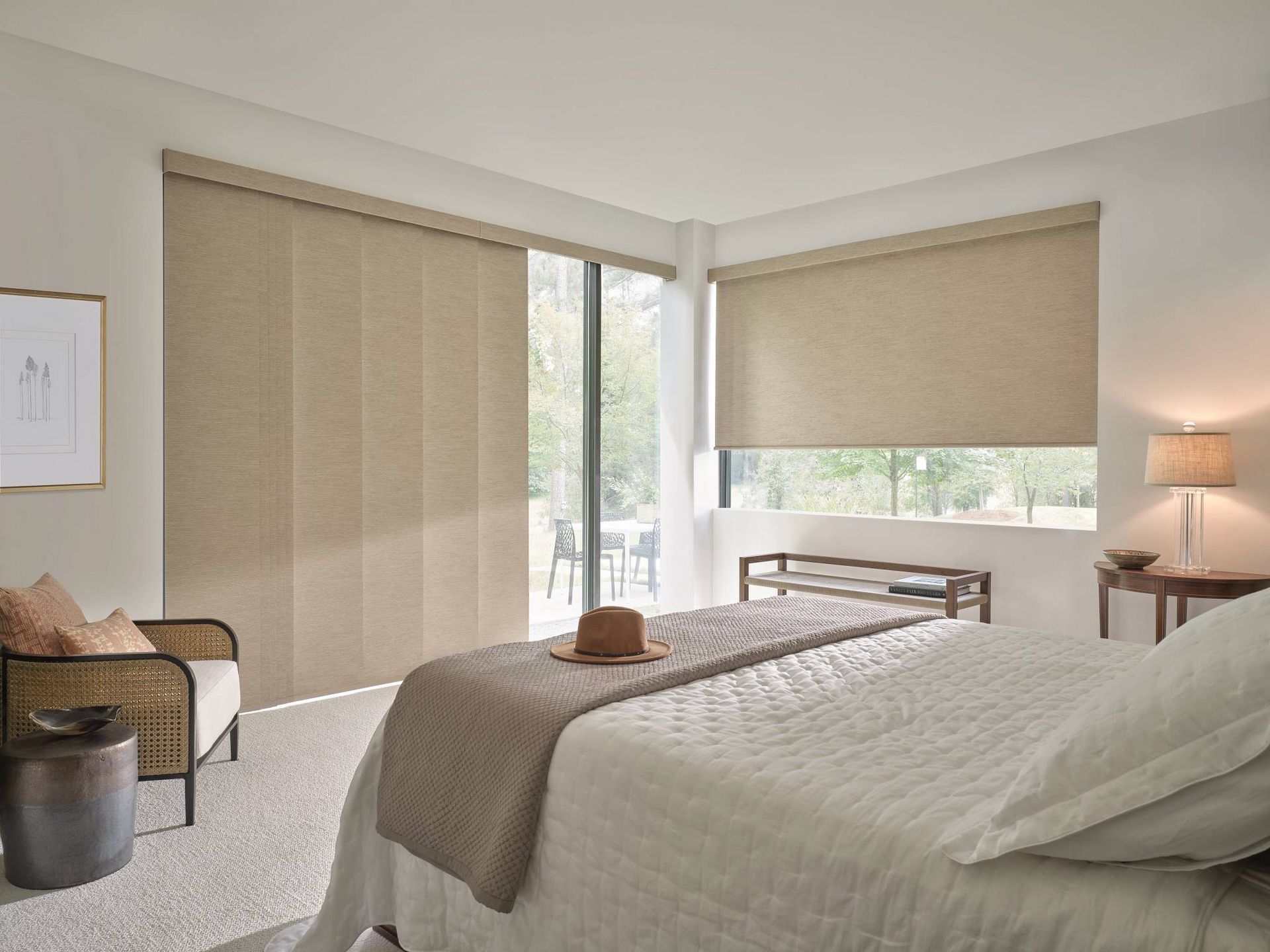
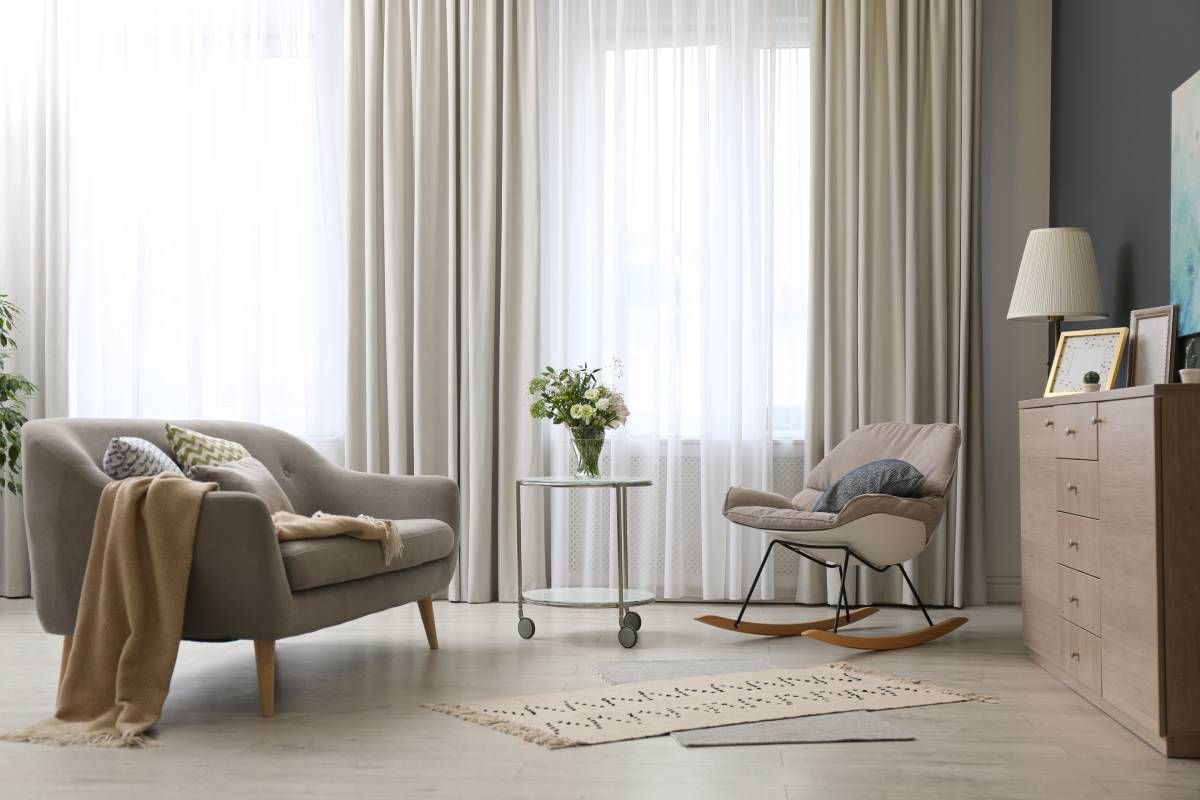
Fabric is important, so pick that first. Linen and cotton are very popular in 2026 as homeowners move toward natural materials, and each one hangs with a relaxed line that suits sunrooms, dining rooms, and living rooms. Heavier weaves with a room-darkening or blackout lining are best suited to bedrooms and media rooms, where morning sun can disrupt your peaceful night’s sleep.
Here are the drapery fabric choices we often suggest:
- Linen brings visible texture and a soft drape, and it works lined or unlined, depending on how much light you want.
- Cotton blends hold a crisper pleat than linen and wear well in rooms that get daily use.
- Velvet adds weight and depth, and it muffles sound in rooms with hard floors and high ceilings.
- Sheer materials filter daylight while preserving your view, making them a good back layer behind a heavier panel.
Bring a cushion or a paint chip to your consultation, and we will pull samples against it.
Hang Drapery Panels High and Long
Where the rod goes changes how tall the room looks. Mount the hardware close to the ceiling rather than at the top of the window casing, and run the
drapery panels down to the floor.
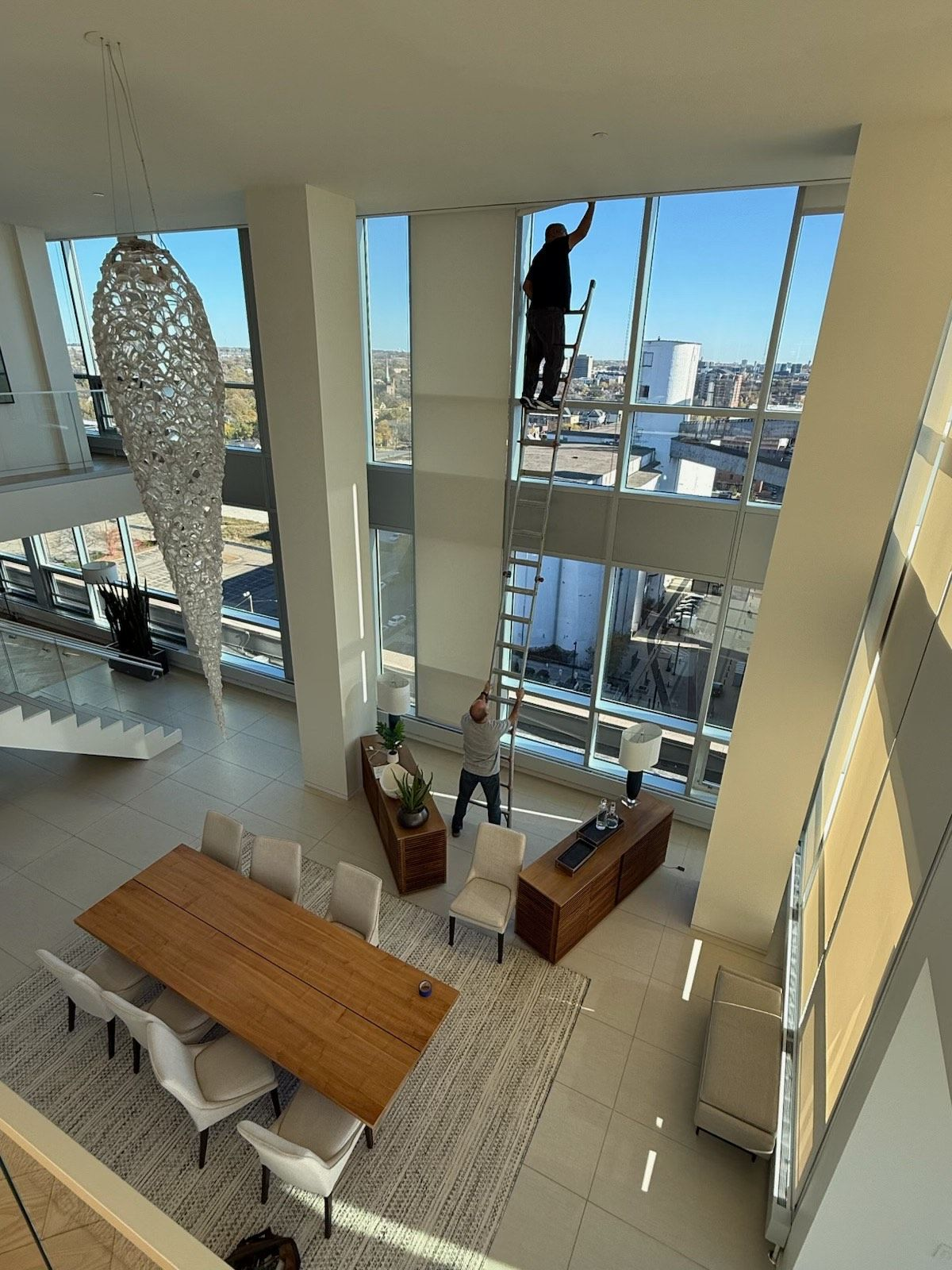
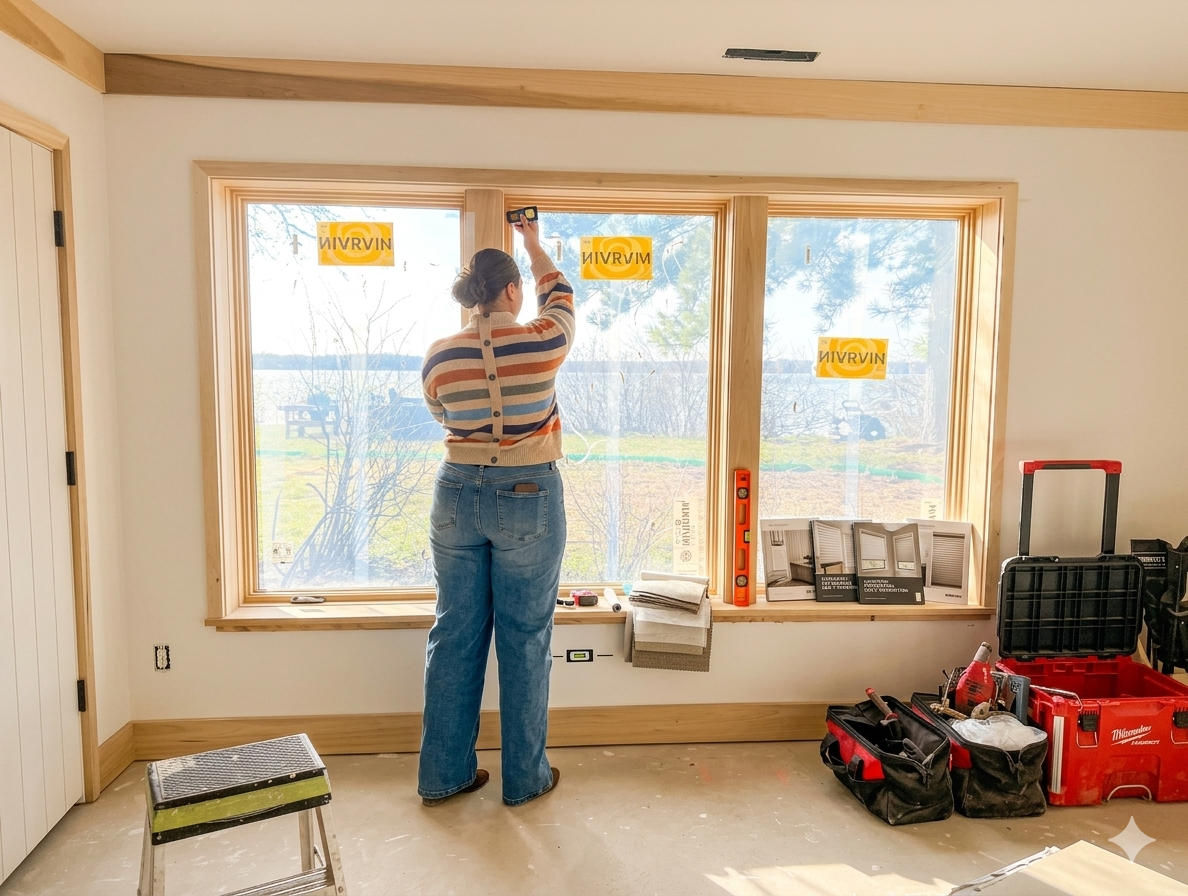
Width matters as well. Panels should stack past each side of the window when open so the fabric frames the glass rather than covering it. We measure the wall, window, and ceiling height during your consultation and size the hardware based on those measurements.
Layer Custom Drapery Over a Shade
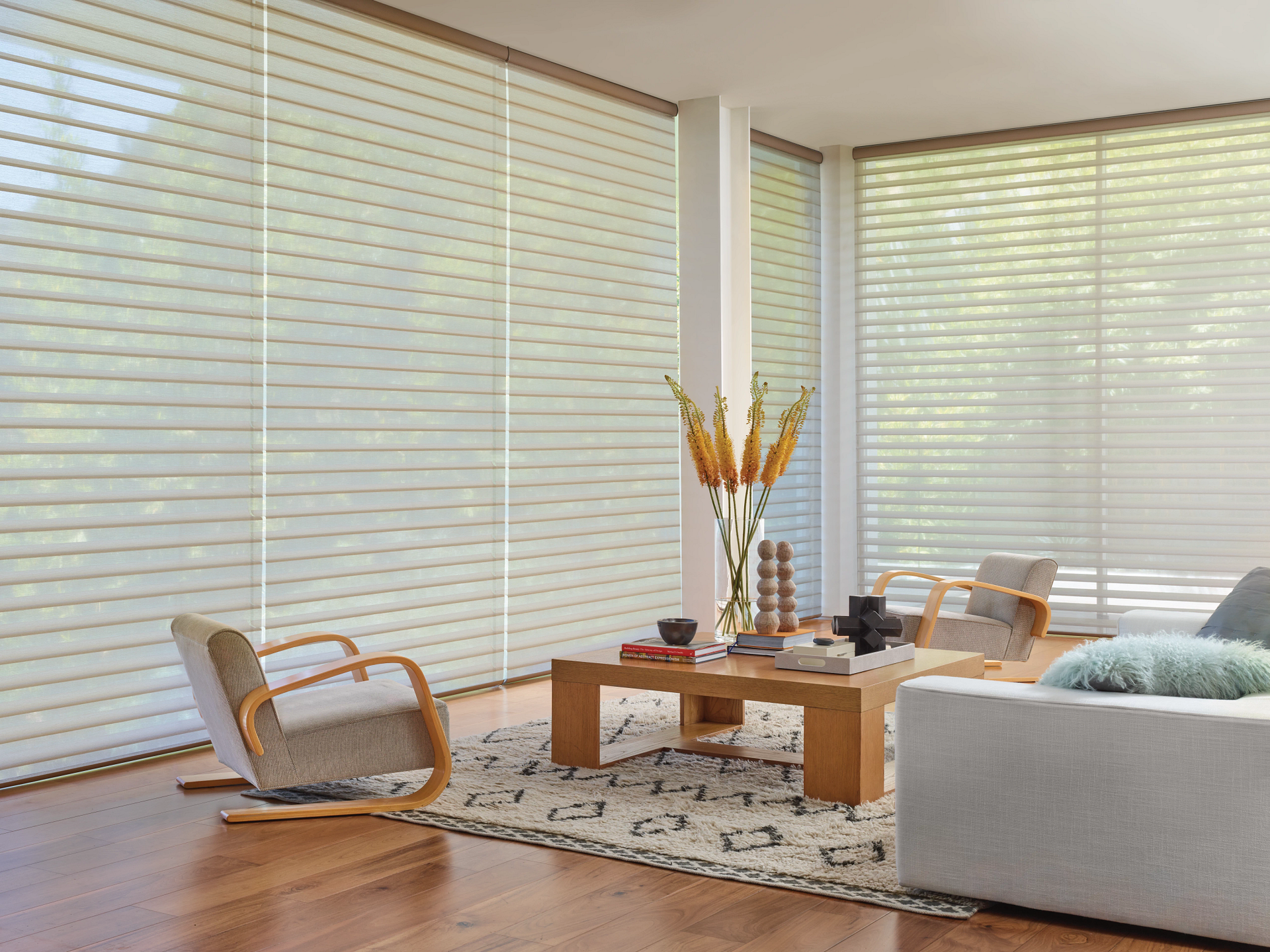
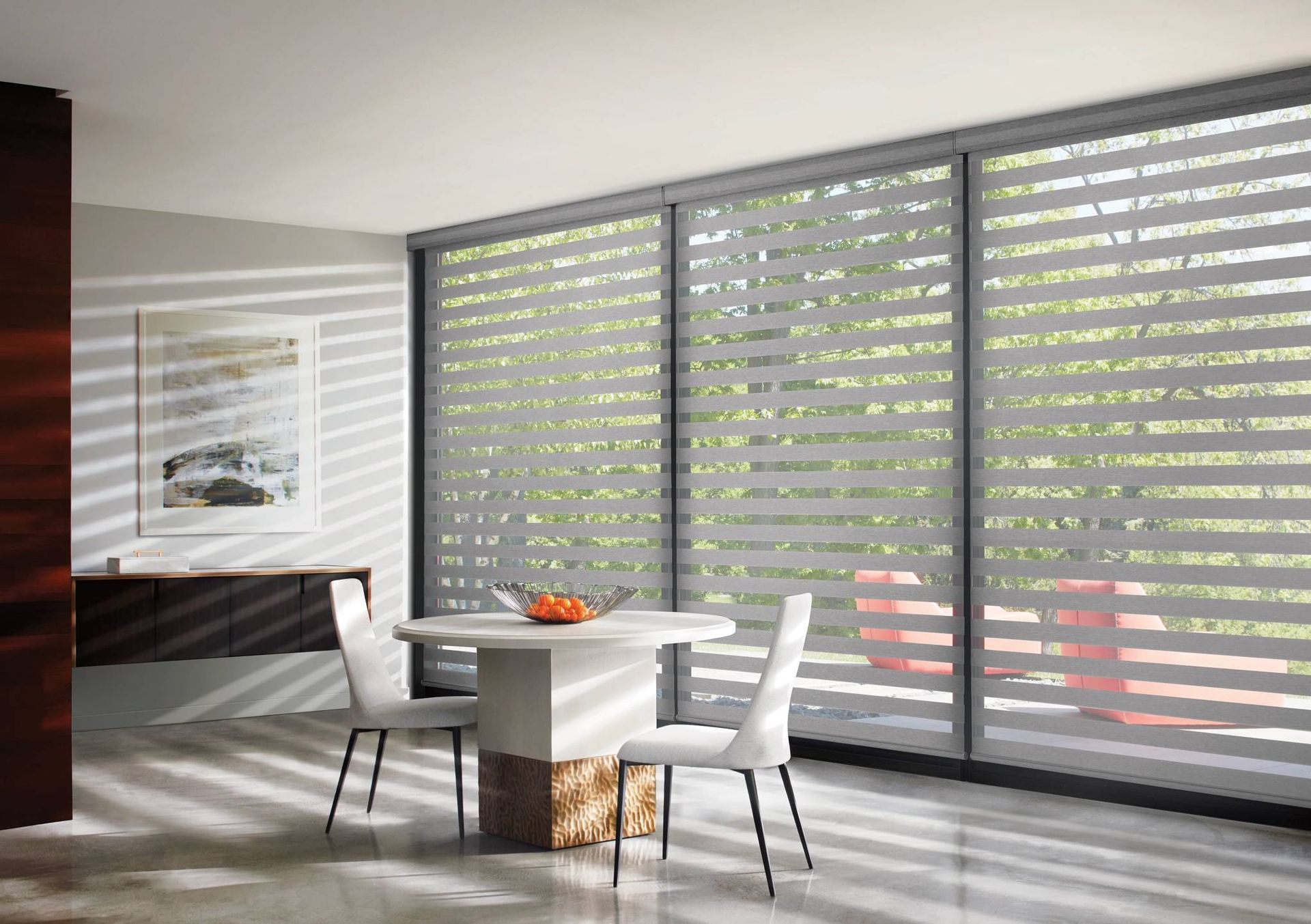
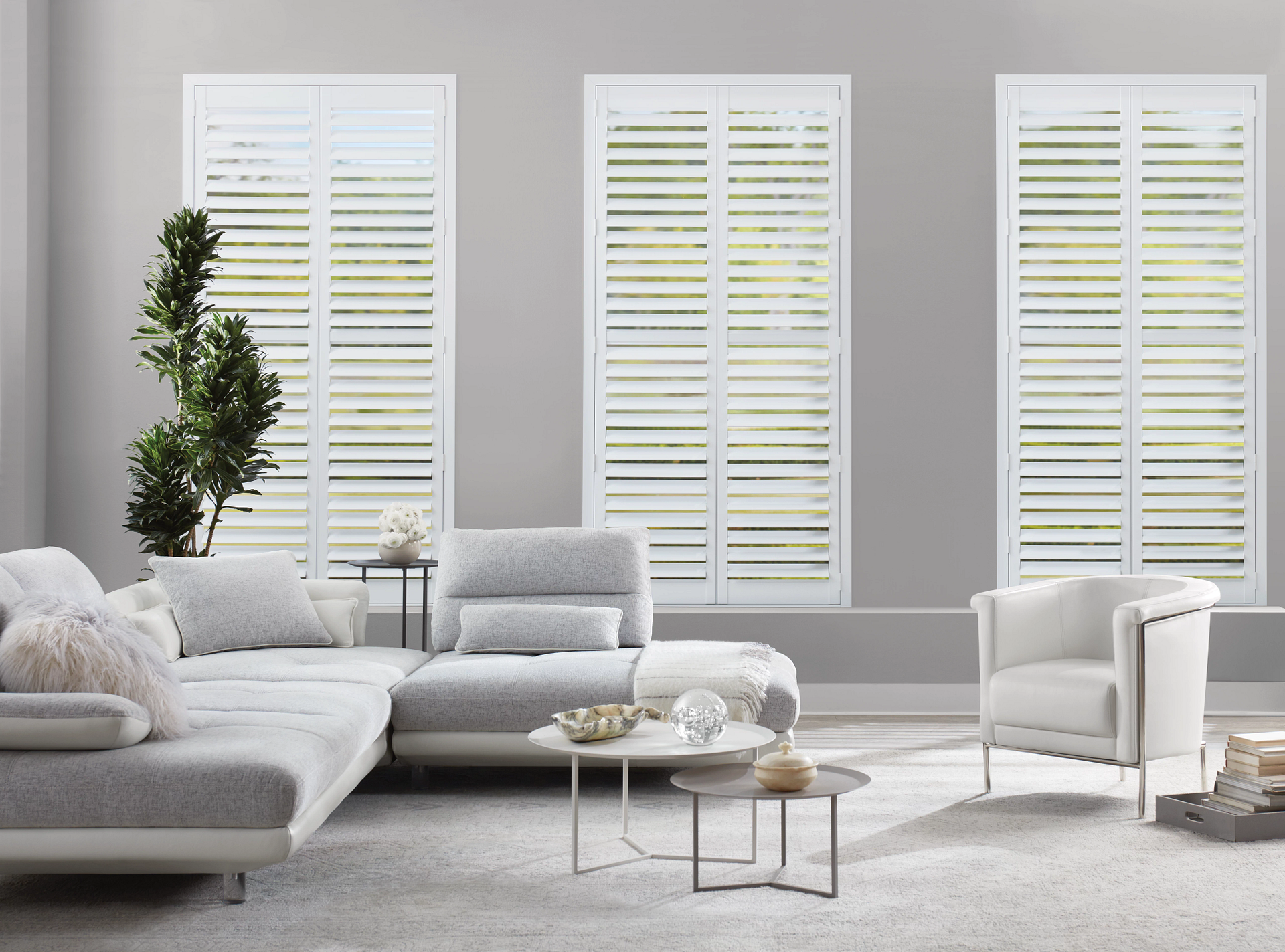
Layering is one of the defining window looks of 2026, with designers pairing sheers, shades, and drapery on the same window. A woven wood shade, a roller shade, or a honeycomb shade handles daily light and privacy, while the custom drapery frames the opening and adds softness that a hard treatment misses.
Drapery Trends Worth Borrowing in 2026
Traditional-style details are back in style after years of modern minimalist panels. Designers report renewed interest in tassels, fringe, upholstered cornices, and statement pieces rather than a quiet backdrop.
Motorized drapery has also moved from a luxury option to an accessible necessity, especially for wide glass and tall windows. A wall switch, a remote, or a phone app opens the panels, which helps in rooms where furniture blocks the window.
Design Custom Drapery for Your Minnesota Home
Fabric, mounting height, lining, and hardware all affect each other, so seeing samples against your own walls and in your own lighting shows you what a photo on a screen leaves out.
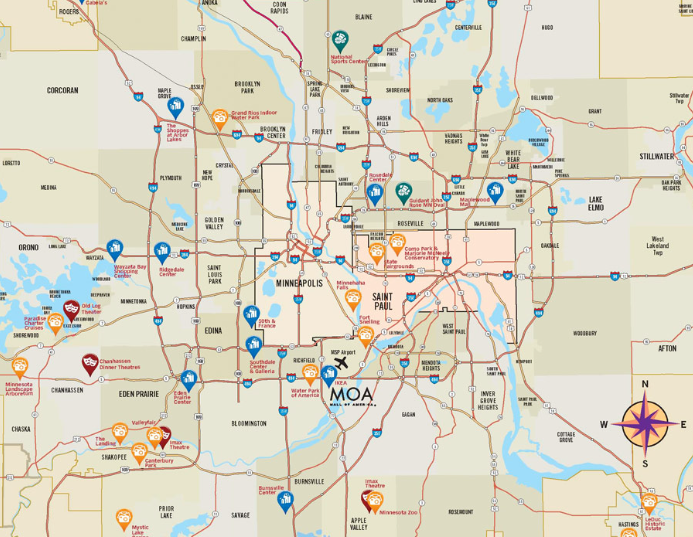
Little Blind Spot has showrooms in Hopkins and Woodbury and serves the greater Twin Cities, including Hopkins, Woodbury, Maple Grove, Lakeville, Prior Lake, Rosemount, Eagan, Plymouth, Corcoran, Elk River, Saint Michael, Brooklyn Park, Medina, Wayzata, Andover, Maple Plain, Plymouth, Edina, Golden Valley, Minneapolis, Minnetonka, Lake Elmo, Cottage Grove, Stillwater, Hastings, Maplewood, MN; and Hudson, WI.
Call
(952) 935-4353 or
reach us online to schedule your free in-home design consultation.