
Custom Drapery
Hunter Douglas Provenance® Woven Wood Shades
For over four decades, Twin Cities homeowners have trusted Little Blind Spot to shape how their homes feel, not just how their windows look. Adding custom drapery is one of the most transformative ways to do that. When done well, it softens a room, frames natural light, and gives a space the finished, considered feel that off-the-shelf window coverings can't match.
As a Hunter Douglas Certified Dealer with a full in-house team of designers, we guide you from first consultation to final install, so you can get drapery that you love and that is as unique as you are.
Hunter Douglas Provenance® Woven Wood Shades
The Benefits of Custom Drapery
Custom drapery does more than dress a window. It changes how a room feels. Because each panel is built to your exact window dimensions and ceiling height, drapery fabric hangs with a clean, tailored line that off-the-shelf panels rarely achieve. That precision matters more than most homeowners expect: a half-inch of extra fullness or the wrong break at the floor is the difference between a room that feels finished and one that doesn’t.
Beyond fit, custom drapery gives you control over light, privacy, temperature, and acoustics. A well-lined panel can soften harsh afternoon sun, quiet a busy street, or add a layer of warmth to a room with hard floors and high ceilings. And because drapery is one of the largest visual elements in a room, it has a big effect on how the whole space feels, from elevated to laid back, and everything in between.
The Differences Between Drapery and Curtains
The terms are used interchangeably, but drapery and curtains serve different purposes. Curtains are typically lighter-weight, unlined panels made for a casual, everyday look. They're easy to hang, simple to swap seasonally, and well-suited to spaces where softness matters more than structure, such as a breakfast nook, a guest room, or a café-style kitchen window.
Drapery is the more tailored, considered option. It's usually lined or interlined, custom-measured to the window and ceiling height, and hung with attention to fullness, header style, and how the fabric breaks at the floor. Drapery is built to last and designed to anchor a room, which is why it's the choice for primary living spaces, primary suites, and any room where the window treatment is meant to feel like part of the architecture rather than an accessory.
What are the Different Types of Drapery and Curtains?
There isn't one right drapery style for every window. The right choice depends on your ceiling height, the amount of light and privacy you need, and the feeling you want the room to have. Here's a look at the most common styles we design and install for Twin Cities homes.
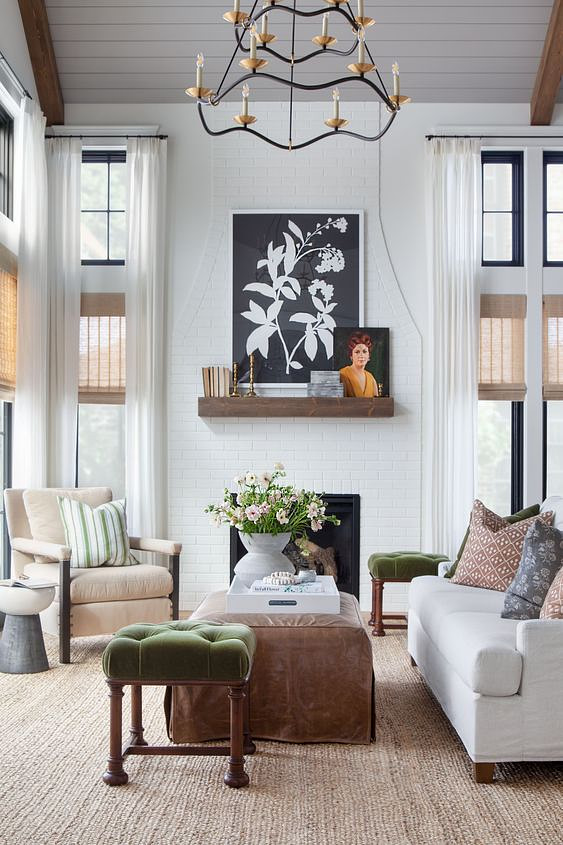
Hunter Douglas Provenance® Woven Wood shades
Ripple Fold Drapery and Ripple Fold Curtains
Ripple fold creates a smooth, continuous wave across the entire width of the panel, giving a clean, modern silhouette with no visible pleats. It's a favorite for floor-to-ceiling installations and wide expanses of glass, where its uniform fold reads as effortless and architectural rather than fussy.
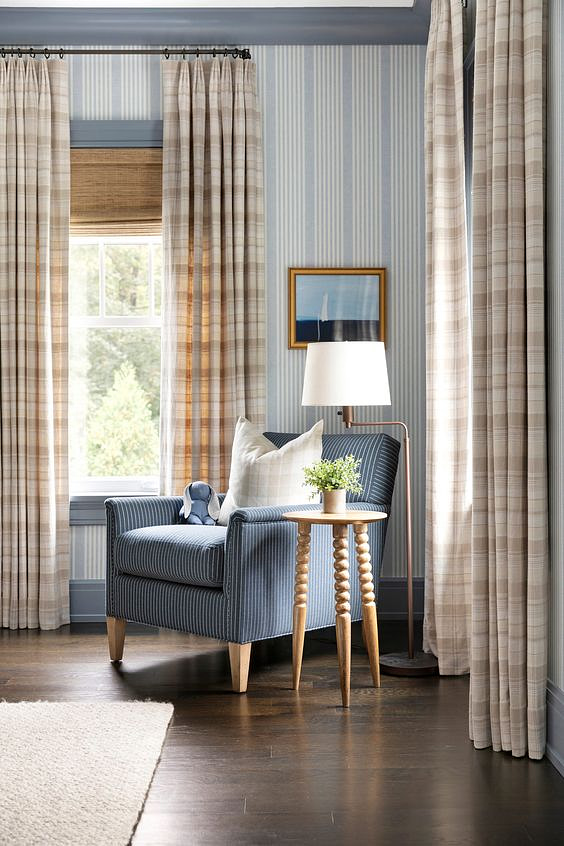
Hunter Douglas Provenance® Woven Wood Shades
Pinch Pleat Drapery and Pinch Pleat Curtains
Pinch pleat is the classic, tailored header: fabric gathered into crisp, evenly spaced pleats that add structure and formality. Paired with a blackout lining, it brings that same polished look to primary suites and media rooms where light control matters as much as style.
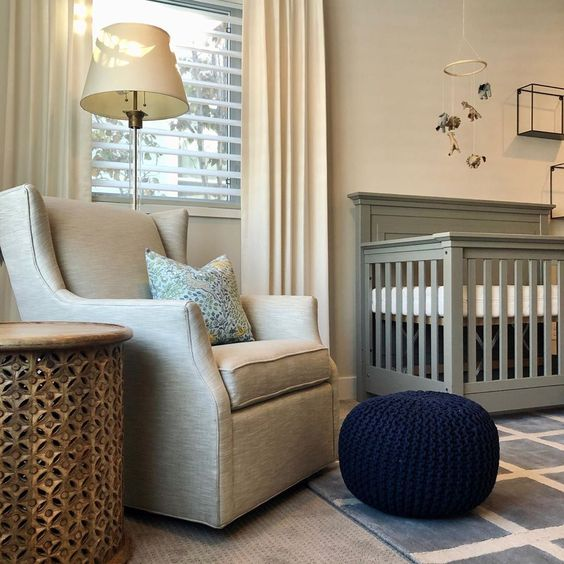
Hunter Douglas Provenance® Woven Wood Shades
Blackout Drapery and Blackout Curtains
Blackout construction blocks nearly all incoming light through a dense, opaque lining layered behind the face fabric. This type of custom drapery is perfect in primary bedrooms and nurseries, where uninterrupted sleep depends on the right amount of room darkness.
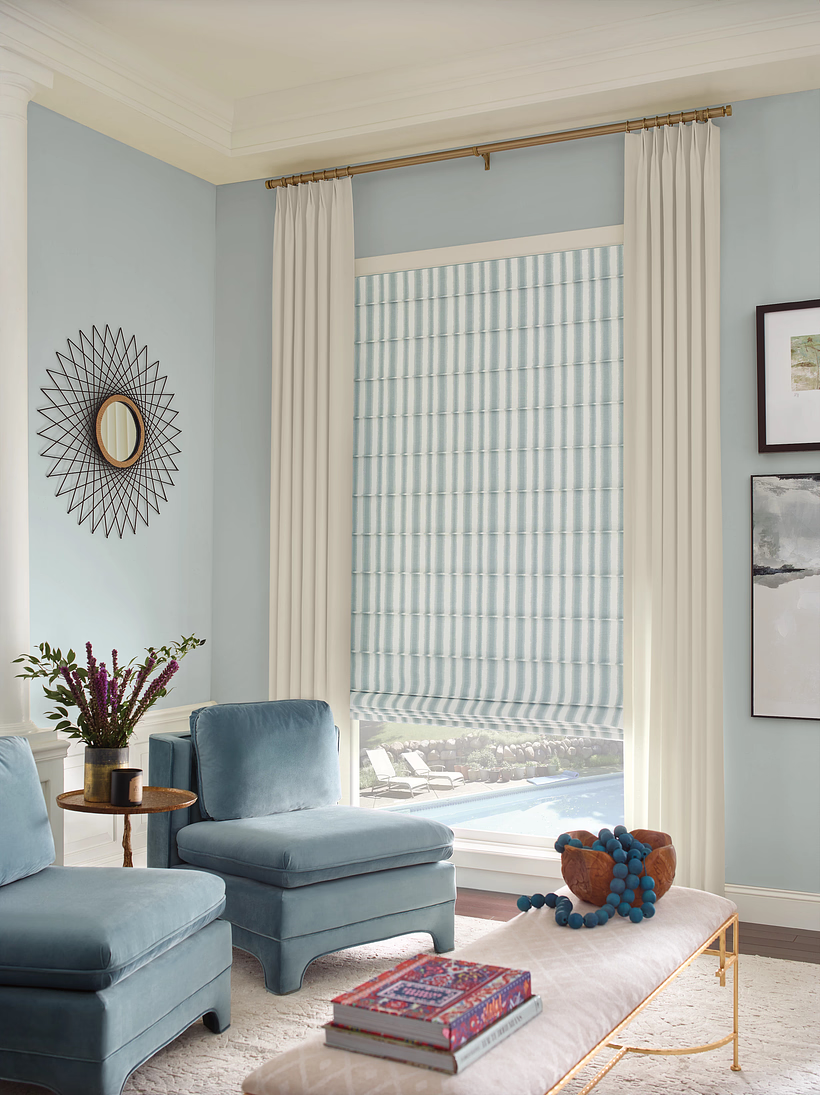
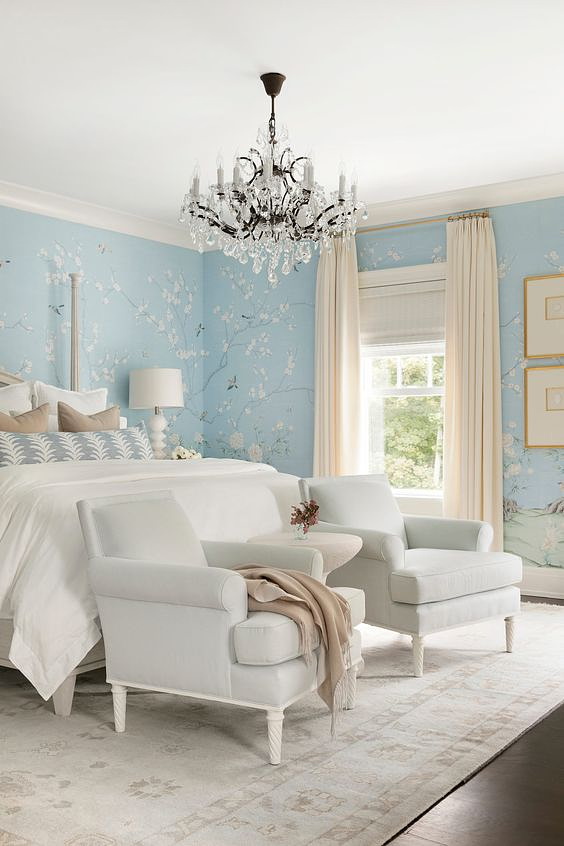
White Drapery and Blue Fabric Shades
Sheer Drapery and Sheer Curtains
Sheers filter daylight into something soft and diffused while allowing a view of the outdoors. Sheer drapes and curtains are often layered behind a heavier drapery panel, giving a room daytime softness and evening privacy without sacrificing either.
Hunter Douglas Provenance® Woven Wood Shades
Inverted Pleat and Box Pleat Drapery
Inverted and box pleats fold the fabric fullness toward the back of the panel, creating a clean, flat face with just a hint of structure at the header. It's a refined, tailored look that’s best suited to more formal spaces.
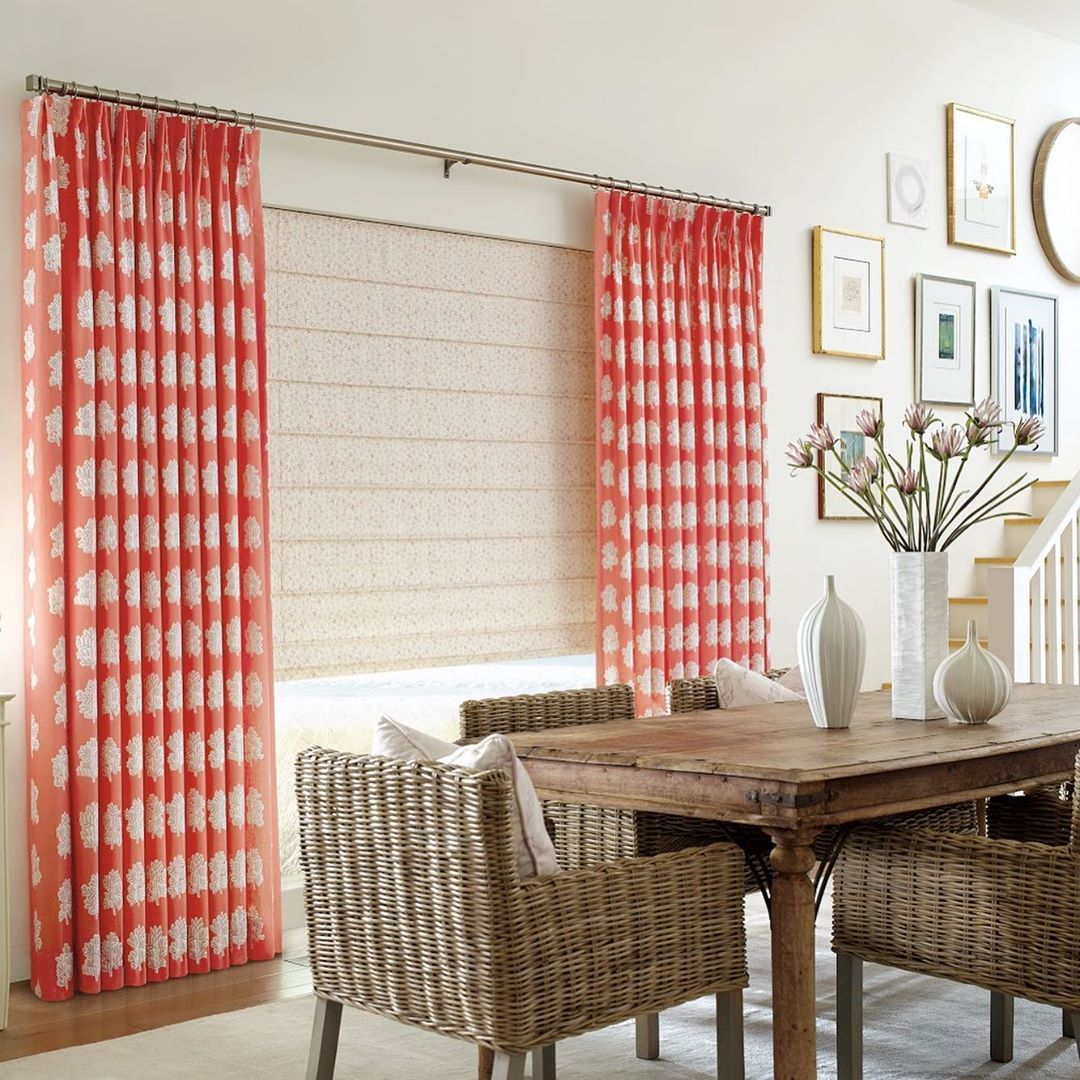
Hunter Douglas Modern Vignette® Roman Shades
Linen Drapery and Linen Curtains
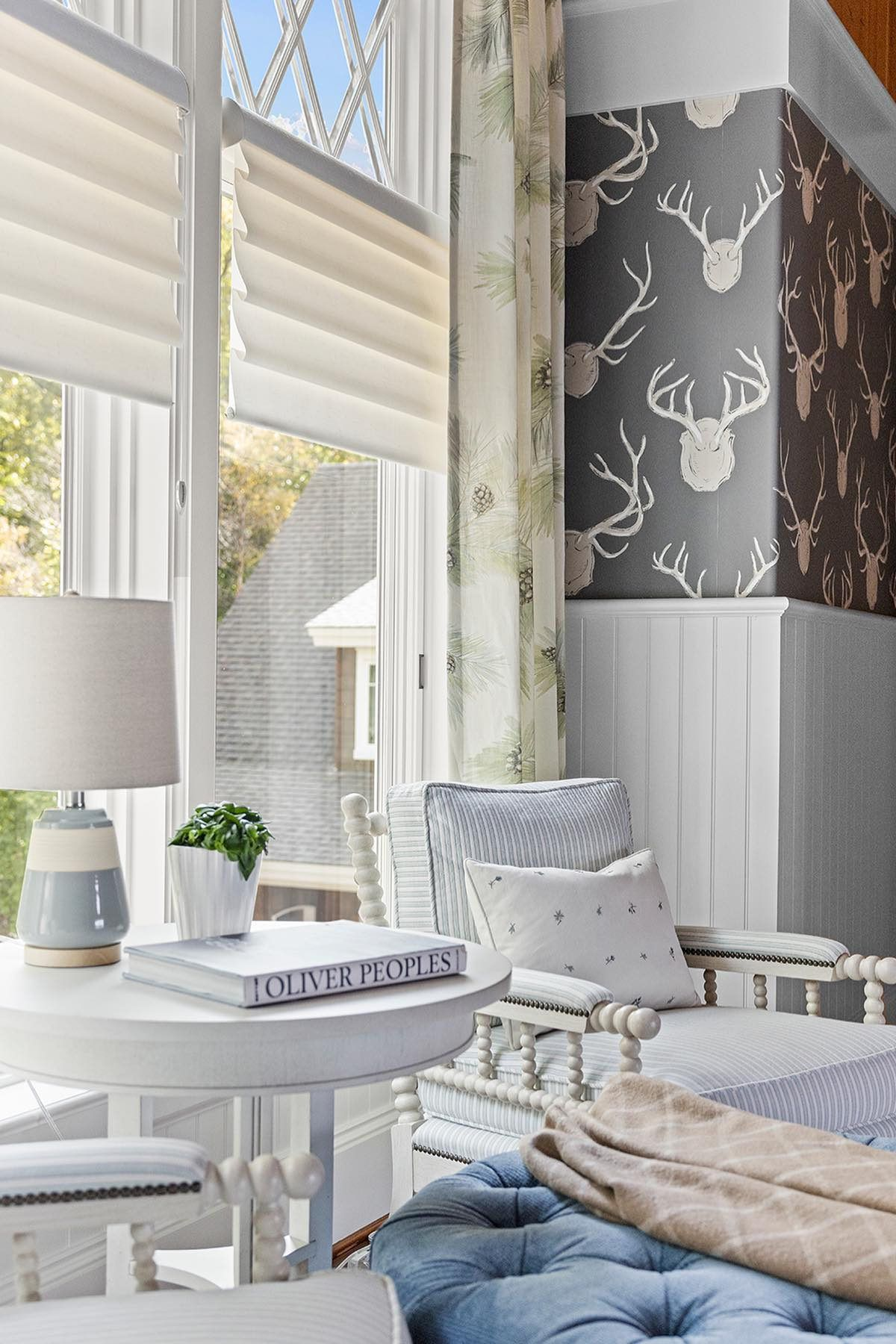
Linen brings texture and a relaxed, organic quality that pairs beautifully with natural light. Whether lined for structure or left lighter for movement, linen softens a room without feeling heavy. This is a favorite in sunrooms, dining rooms, and living spaces built around natural materials.
Hunter Douglas Provenance® Woven Wood Shades
Café Curtains and Café Drapery
Café styles cover only the lower portion of a window, preserving privacy at eye level while still letting light pour in above. They're a charming, practical choice for kitchens, breakfast nooks, and bathrooms where full coverage isn't needed.
Floor-to-Ceiling Drapery and Ceiling-Mounted Curtains
One of the simplest ways to make a room feel larger and more finished is to mount drapery from ceiling to floor, rather than just above the window frame. Ceiling-mounted hardware draws the eye upward, visually raising the ceiling line and making standard windows feel more substantial.
It's a small design decision with an outsized effect, and it's one of the details our design team walks through during every in-home consultation.
Motorized Drapery and Curtains
For wide expanses of glass, hard-to-reach windows, or homeowners who simply want their drapery to move at the touch of a button, motorization is a natural fit. It's a modern upgrade with no cords to manage, no reaching over furniture, and full control from a wall switch, remote, or smart home app.
Motorized drapery is especially popular in primary suites and great rooms, where opening and closing panels by hand isn't always practical. As with everything we install, motorized systems are professionally set up and calibrated by our own team, so they work exactly as intended from day one.
Room-Darkening Drapery
Not every room needs true blackout, but many benefit from reduced light. Room-darkening drapery uses a denser lining than a standard panel. It’s enough to soften early morning sun and reduce glare on a television or screen, without fully eliminating natural light when the panels are open. A popular middle ground for living rooms, home offices, and media spaces where comfort and function both matter, room-darkening drapes are a popular option for Minnesota homeowners.
Layering Window Treatments with Drapery
Some of the most polished rooms we design don't rely on drapery alone. Pairing drapery with a functional layer underneath — a roller shade, a woven wood shade, or a Hunter Douglas honeycomb shade — gives you day-to-day light and privacy control, while the drapery frames the window and finishes the room.
It's an approach we often recommend because it meets the practical needs of a household while still delivering the elevated, tailored look drapery is known for. A design consultation is the best way to see how layering could work in your own space.
Find Custom Drapery near Hopkins and Woodbury, MN
Custom drapery is one of the most meaningful ways to shape how a home feels, and getting it right takes more than picking a fabric. It takes accurate measurement, thoughtful hardware placement, and a team that installs the work as designed, which is exactly what Little Blind Spot has done for Twin Cities homes since 1978. Whether you're starting with one room or reimagining several, we're here to guide you through the process from the first idea to the finished install.
Contact us to schedule your free in-home design consultation and see what your trusted local drapery store can do for your home.